Agitators
IN-LINE MIXERS
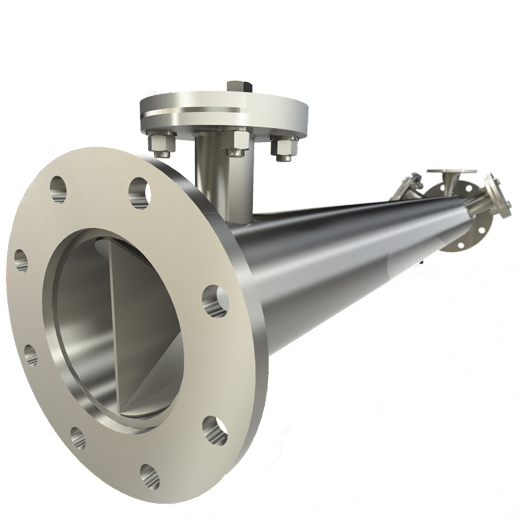
In-line mixers were developed to accommodate the requirements of the chemical industries where continuous mixing was required, but there were spatial limitations. In-line mixers were designed to ensure that the continuous mixing was still achieved, as well as taking into account that the mixer more than likely was required to fit into existing pipe work on the site. Using in-line mixers where there are other limitations such as capital investment, and concerns for saving in areas such as operating and maintenance costs, became a most sought after solution, solving many concerns with one application.
There are two types of in-line mixers:
CONVENTIONAL IN-LINE MIXERS
Conventional in-line mixers provide instantaneous mixing, blending or dispersing in a small volume and at a lower horsepower per total process. These types of in-line mixers require an additional power supply in addition to that of the flowing process stream. Using this type of mixer, the retention time is usually in seconds or low minutes, as opposed to in tank mixers, which have higher minutes to hours for retention and blend time to achieve the uniformed concentration throughout.
STATIC IN-LINE MIXERS
AFX specialises in the design and manufacture of static in-line mixers. This particular type of mixer is “motionless”. This description provides an indication of the elements located within the pipe (conduit) part of the mixer, this, the mixing only occurs from the process stream while passing through the mixer. The in-line mixer is flanged and done so the mixer can be bolted into the existing process pipeline. Each mixer is sized to suit the application requirements, and many vary with some having as many as seven inlets for various probes and technical apparatus, other than the injectors which are used for the addition of particular chemicals or streams. In-Line mixers may also be found in the pulp and paper industry in very shear-sensitive applications.
The elements within the mixer are mirror image structures strategically placed for the required mix to take place, as the stream moves through the length of the mixer. These mixers differ from supplier to supplier, but the majority are classified by their operating in flow regimes. Most applications fall into either the laminar or turbulent flow, and all others usually fall in between these two.
Having tried and tested a few many of the previous design means for building the internal elements, AFX has their own design which has proven successful across many broad industries, on very large varying scales; with some having an inner diameter exceeding 600mm, and to as small as 25mm internal diameter. Carefully assessing the process requirements, the in-line mixer is sized to suit and achieve the required results successfully.
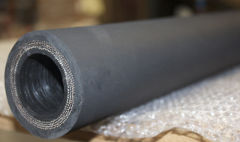 At the heart of every AFX peristaltic pump lies a heavy-duty peristaltic hose specially developed to work hand in hand with the pump roller technology installed in the AFX PUMP SERIES. We stock a comprehensive range of hose materials for each pump to be compatible with the unique chemical and abrasive characteristics of every application. A carefully designed and manufactured hose element is the single most vital component for the performance durability and efficiency of any peristaltic pump. To ensure a good pump you must have a good hose, and this is where AFX excels. Each hose we supply is built under stringent quality control measures, using high-quality, compounded rubbers, reinforced with four individual layers of braided nylon carefully set at optimum angles. Once cured, the outer diameter of each hose is precision machined to exacting tolerances ensuring a perfectly sized hose. An accurately sized hose ensures perfect compression, which eliminates internal slip (which reduces pump efficiency and allows for the abrasive slurries to prematurely destroy the hose).
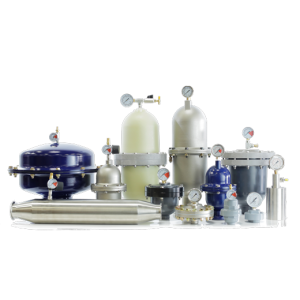 Peristaltic pumps are by nature inherently pulsing in operation. Excessive pressure spikes and pulsations within the pump system can be extremely damaging to the pump hose and the process system.
 The primary reason for hose failure is from cyclic fatigue (number of hose compressions). Pump hose failure is inevitable, but exactly when hose failure will occur is dependent upon many factors and may not always be at a convenient time when a technician is watching the pump.
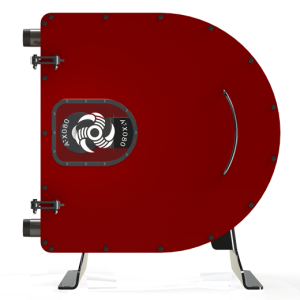 Our extensive range of peristaltic hose pumps includes one of the largest pumps of this type in the world. Our 150mm pump has a maximum flow rate of 147m³/hr and can deliver pressures up to 10 Bar. These units are ideal for thickener underflow applications.
 OPERATING PRINCIPLE
 PUMP SELECTION
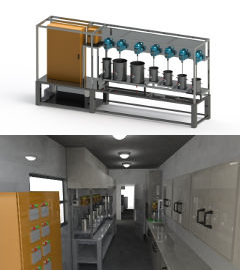 spreading from mining processes to chemical and agricultural testing laboratories as well as personal care and pharmaceutical laboratories, the need for this equipment is on the rise. Pilot plants and bench plants are small modular industrial systems, which are designed and implemented to generate information and understand particular behaviours during test or trial periods. This is usually done before building the large full-scale plant, which entails large capital outlays as well as major risks associated with the process. The use of the pilot or bench plants enables one to make a calculated and informed decision on whether or not to move forward with the full-scale operation. It equips the client with freedom to run tests accurately as well as change and modify procedures on the smaller scale.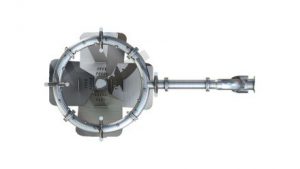
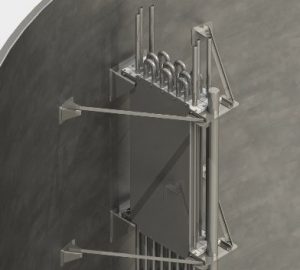 BAFFLES AND BAFFLE COILS
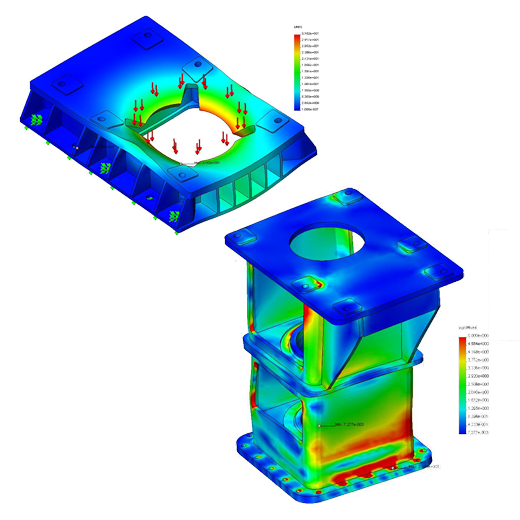
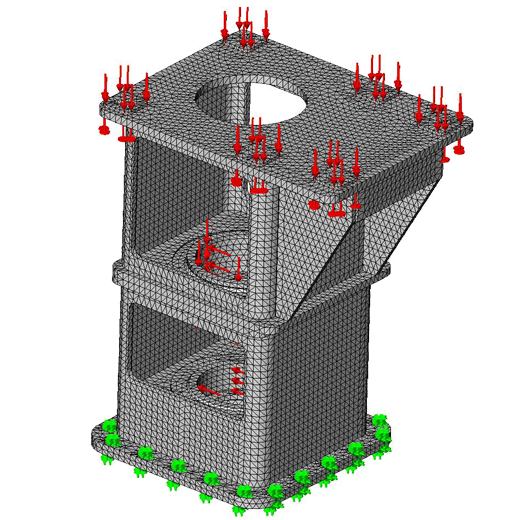
 Mounting bases and pedestals are critical in ensuring that the gearbox of the agitator is correctly aligned and mounted to the supporting beam structure. Our pedestals and bases are designed to significantly reduce the potential of twisting or flexing within the gearbox housing; which is often a common cause of some gearbox failures.
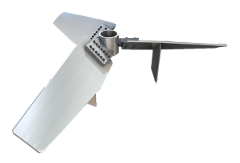 IMPELLER TYPE: F3
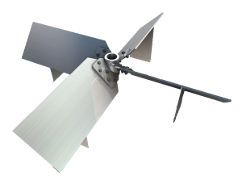 IMPELLER TYPE: FS4
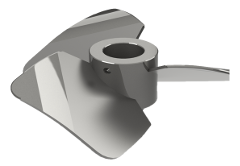 IMPELLER TYPE: P3
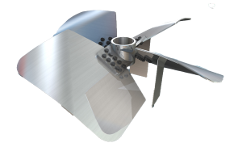 IMPELLER TYPE: P4
 FOLDING IMPELLERS
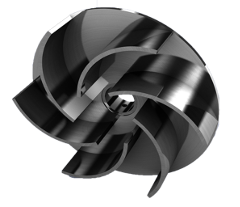 IMPELLER TYPE: R6
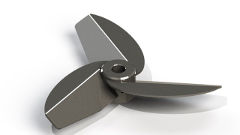 FCE3 CLEAN EDGE IMPELLER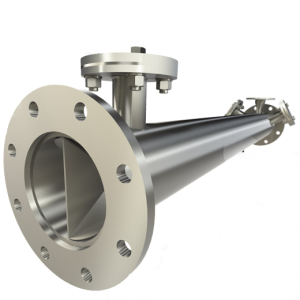
 PRESSURE OXIDATION
 GAS DISPERSION
 IRON REMOVAL
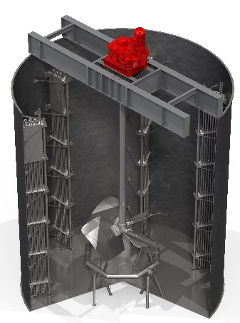 CYANIDE DETOX
 PEDESTAL MOUNTED MIXERS
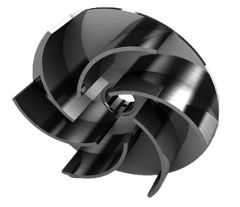 R6 PUMP IMPELLER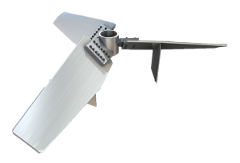
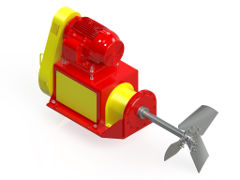 SIDE ENTRY AGITATORS
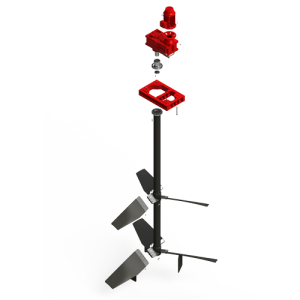 TOP ENTRY MIXERS







 SMALL TOP ENTRY AGITATORS